Jacques LECOQ arrived at Mr. BARON’s farm in 1943; he was in hiding because he did not want to work under the STO program. He took on an alias, Jaques LEROY, and worked there as a farmhand for the duration of the war.
When the war ended, he returned to Picardy, where he got married
His wife wanted to visit Ocreville; she liked the area, so they stayed and lived in the little house. Their last child, Claude, was born in Ocreville in 1954.
Later, Mr. BARON sold a plot of land to Jacques, and he had his house built there. He remained loyal to Ocreville and always shared his knowledge with great kindness.

Refused to participate in the STO (Compulsory Labor Service)
Marcel CHAPLET, who lived in Paris, came to Ocreville every weekend to his house located at the intersection of Chemin Blanc and Rue du Petit Pont.
He would leave with his groceries—vegetables, fruit, and fresh eggs—which he had packed in a travel bag and placed next to the gate. He backed his car out and ran over the bag full of eggs. It made for a great omelet, but Mrs. CHAPLET was not at all pleased and scolded him harshly once again.

Large omelet
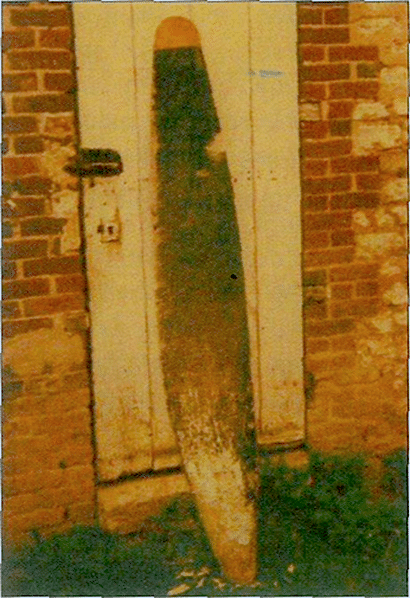
Mr. BARON built a semicircular shelter with a trench. He covered it with stakes, sheet metal, and dirt, and stocked it with food and water in case of danger. It was used for only one night.
The Germans had set up cannons on the Louvedalle hillside and were firing at the Allies in Boos.
Shells were flying in all directions. One afternoon, Marcel BONDET arrived at Mr. BARON’s house to warn them that the Germans had reached the farm and were demanding food and drink. The Germans, who were quite drunk, bathed in the river and crossed Mr. BARON’s field without asking for anything.
These were the only Germans who came to Ocreville.
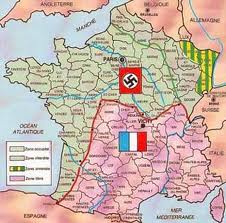
The Occupation
Mrs. BARON raised pigs; to keep them from eating the flowers and vegetables, she would put a clip in their snouts.
Jean was supposed to hold the pig still so she could put the clip on, but when he couldn’t manage it, his mother tried to do it herself… The pig ran off, carrying Mrs. BARON on its back. The two of them ran all the way around the farm before being stopped. “What a funny ride!”
A Strange Ride