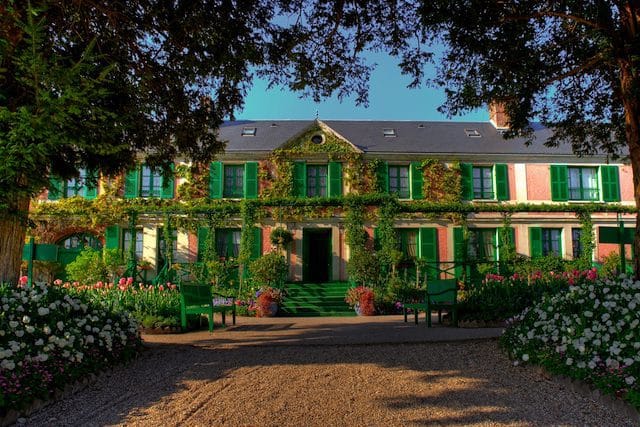
Heudreville-sur-Eure, a tourist village
Eure is a French department in the Normandy region.
The Village in Pictures
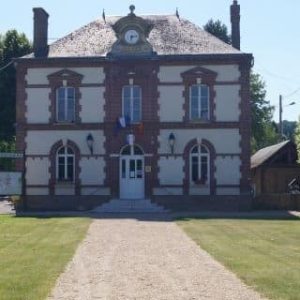
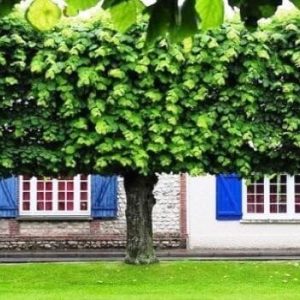
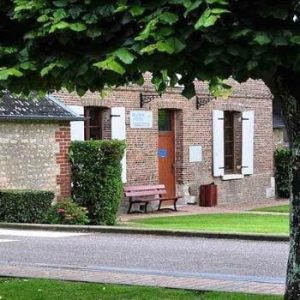
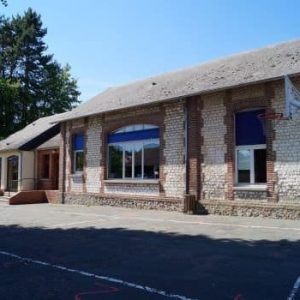

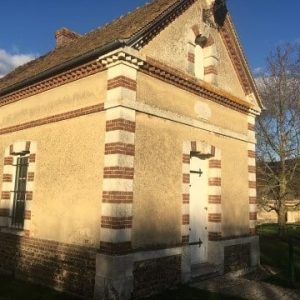
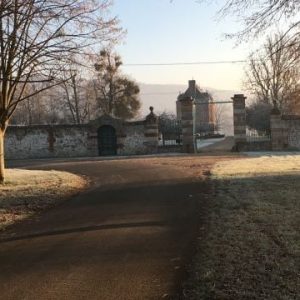
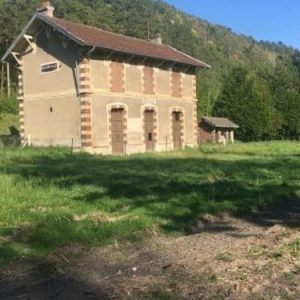
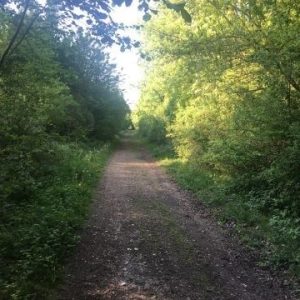
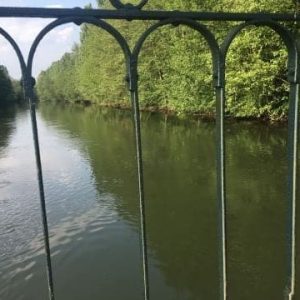
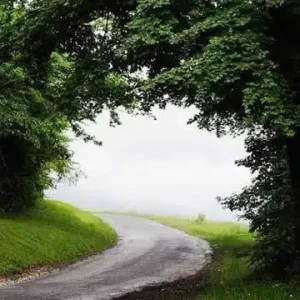
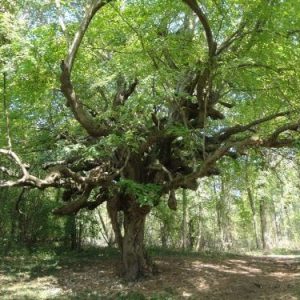
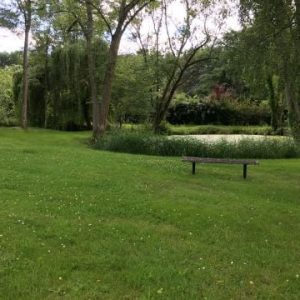
I invite you to exploreHeudreville-sur-Eure, a picturesque village in Normandy, through a series of slides highlighting its iconic landmarks.
In the heart of the villageof Heudreville-sur-Eure, you’ll find the town hall—the true hub of local life—as well as the village square, home to a cozy library. Don’t miss the majestic Notre-Dame Church and its “charitons” hall, which bear witness to the village’s religious and cultural heritage.
Among the places to explore, let yourself be charmed by the driveway leading to Heudreville Castle,the old train station at the entrance to the village, and its railroad tracks—remnants of the area’s railway past. You can also admire the footbridge that crosses the Eure River, offering a peaceful view of the river.
Finally, take a stroll through the hamlets of Heudreville tothe entrance of the Ricard Woods—a place steeped in mystery with its famous “witches’ tree”—before heading to the three ponds at Boos, which are perfect for a break in nature.
A Glimpse of Heudreville-sur-Eure

The Tourist Village
Discover Heudreville-sur-Eure: a charming village in Normandy (Read more)
Heudreville-sur-Eure is a picturesque village located in Upper Normandy, in the heart of the Gaillon-Campagne canton, in the Eure department. This little corner of Norman paradise charms visitors with its unspoiled natural setting and rustic atmosphere.
Comprising seven hamlets — Bois Ricard, Boos, Les Faulx, Le Hom, La Londe, Le Mouchel, and Ocreville —Heudreville-sur-Eure offers a variety of landscapes typical of Normandy.
A Norman village rich in nature and activities
Nature lovers will be delighted by the town’s many attractions:
The Eure River, which flows through the village
Peaceful ponds perfect for relaxing or fishing
Woodlands perfect for hiking and family walks
Stunning panoramic views to discover along the trails
An ideal destination for eco-tourism
With its idyllic landscapes, Heudreville-sur-Eure is an ideal destination for nature lovers in Normandy. Whether you’re a hiker, a photographer, or simply looking for some peace and quiet, this village is sure to charm you.

Trade
A history of trade linked to the Eure River
(Read more)
Heudreville-sur-Eure has long capitalized on its exceptional geographic location by developing commercial activity along the Eure River, a vital transportation route and hub of community life.
In the past, large flat-bottomed boats traveled along the river, pulled by horses along the towpaths. They were used to transport goods to neighboring towns and beyond. This form of river transportation played a vital role in the local economy.
At that time, a lock was used to regulate river traffic at the very spot where the village’s dam—built in 1870—stands today. The construction of this structure put an end to long-distance navigation, leaving room only for short trips by water.

Royal Valley of the Eure
in the Eure department: in the heart of Upper Normandy
(Read more)
Located in the Haute-Normandie region, the Eure department (27) occupies a strategic position in northwestern France. It shares borders with several departments:
Seine-Maritime in the north
The Oise and Val-d’Oise to the east
The Yvelines and Eure-et-Loir to the southeast
The Orne River to the south
Calvados in the West
Thanks to its location, the Eure department boasts a wide variety of landscapes and a rich cultural and natural heritage, which attracts both tourists and new residents seeking a high quality of life.
The major cities in the Eure department
The Eure department is home to several notable towns that contribute to its economic, cultural, and historical vitality:
Évreux (prefecture)
Vernon
Louviers
Bernay
A Religious Toponymic Heritage
An interesting fact: of the 675 municipalities in the department, 103 have names beginning with “Saint” or “Sainte.” This reflects the historical importance of Christianity in the region and its influence on the names of villages and towns.

Eure Department
A department crossed by the Eure River (Read more+)
Eure is a French department located in the former Haute-Normandie region, which is now part of Normandy. It has the postal code 27, assigned by La Poste, and is one of the five departments created from the division of the former province of Normandy.
A river that gave its name to the department
The department takes its name from the Eure River, a 225-kilometer-long waterway. It originates in Marchainville, near Longny-au-Perche in the Orne department, then flows through parts of the Centre-Val de Loire region and Normandy before emptying into the Seine at Martot, shortly after passing by Pont-de-l’Arche.
The major cities through which the Eure River flows
The Eure River flows through several major and picturesque towns, including:
Chartres, famous for its cathedral
Maintenon, known for its castle
Heudreville-sur-Eure, a charming Norman village
Louviers, a vibrant town in the Eure Valley
Its two main tributaries are:
The Avre
The Iton
These rivers contribute to the ecological richness and scenic beauty of the department.
Seine-Eure Urban Community.
20 Years of History In 1997, the community of municipalities consisted of 3 municipalities (Louviers, Incarville, and Val-de-Reuil). It became an urban community in 2001 and now comprises 60 municipalities.
Normandy
🌿 Visiting Normandy: Discovering France's Most Beautiful Villages
Normandy is an iconic region in northwestern France, renowned for its diverse landscapes and rich heritage. With its rugged coastline, rolling countryside, and traditional architecture, it captivates visitors seeking authenticity. Among its most prized treasures are a multitude of charming and picturesque villages, ranked among the most beautiful villages in France.
Whether you’re a nature lover, a history buff, or an art enthusiast, you’re sure to find something to enjoy as you explore the villages of Normandy, which are true testaments to the region’s history.
🏰 The Exceptional Heritage of Normandy's Villages
Normandy is particularly famous for its impressive religious heritage. One of the region’s gems is undoubtedlythe Benedictine Abbey of Notre-Dame du Bec, founded in 1034. Its classically inspired cloister and peaceful atmosphere make it a must-see for history and architecture enthusiasts.
Half-timbered houses, flower-filled balconies, and cobblestone streets also contribute to the timeless charm of Normandy’s villages, which you can discover on a stroll or a guided tour.
🎨 Giverny, a village of art and Claude Monet’s home
Among Normandy’s most iconic villages, Giverny holds a special place. This small, bucolic village is world-renowned for having been the home of the famous Impressionist painter Claude Monet from 1883 until his death in 1926.
Today, visitors can explore Monet’s home and his famous flower garden, where the renowned *Water Lilies* were painted. The Claude Monet Foundation and the Museum of Impressionism in Giverny round out this immersive journey into the artistic world of that era.
🌾 An ideal region for a cultural and nature getaway
Whether you want to take a walk along the seashore, explore designated heritage sites, or stroll through charming, unspoiled villages, Normandy offers an exceptional setting for a vacation full of discoveries. Its unique blend of nature, history, and culture makes this region a top destination for lovers of authentic tourism.
The Treasures of Normandy.
Giverny (worth exploring)
A boat ride on the Seine (worth checking out)
Claude Monet (worth discovering)
Biotropica Wildlife Parks (learn more)
Bernay (worth exploring)
Château Gaillard (worth exploring)
Horseback Riding in the Vernier Marshes (worth exploring)
Lyons-la-Forêt (worth exploring)
Domaine d’Harcourt (worth exploring)
Le Bec-Hellouin (worth exploring)
Local Specialties (worth trying)
Notre-Dame Cathedral in Évreux (worth visiting)